Golden-age illustrators - own the book, not the plate
From the 1870s to the 1930s some of the best-known artists in Britain and America painted for printers. Their pictures were made to be reproduced, in toy books, gift books, magazines, calendars and schoolboy classics, and the paintings themselves went to museums or to a market far out of ordinary reach. What a collector can own is what the public bought: the book or the print as it came off the press. That makes the rules different from a printmaker's, and simpler.
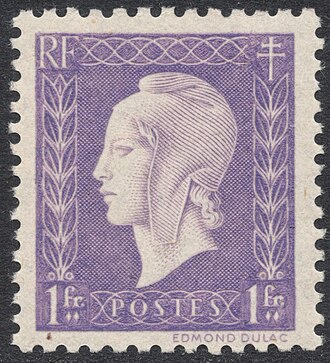
- The book is the original; a plate cut from it is not a print. A colour plate taken out of an Edmund Dulac or Kay Rasmus Nielsen gift book is a page reproducing a watercolour, whatever a framer's label says.
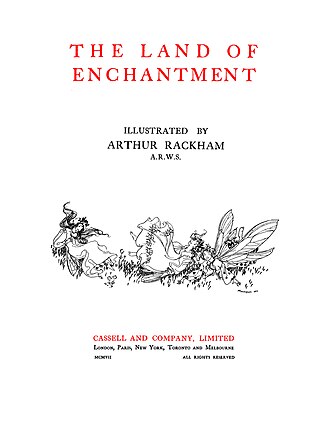
- Check the limitation page. The de luxe editions of Arthur Rackham, Dulac and Nielsen were numbered, often bound in vellum, and usually signed; the signed page is what the top of the market pays for, so make sure it is there.
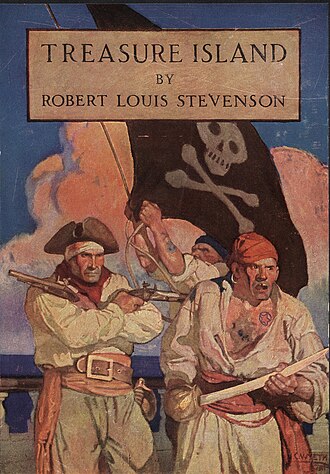
- Count the plates. A missing plate spoils a gift book, and later printings cut them: the 1933 printing of N. C. Wyeth's Treasure Island has 12 of the 17 pictures.
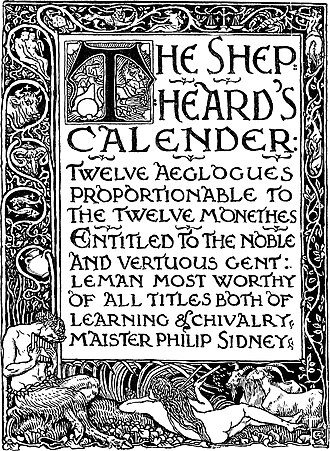
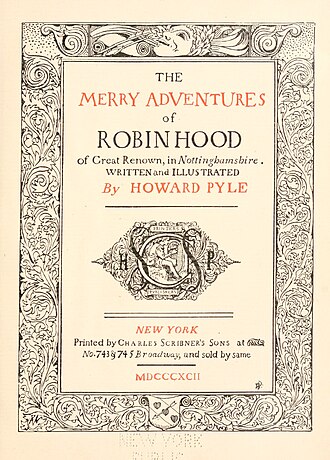
- The cheap way in is genuine. Walter Crane's toy books were printed in runs often over ten thousand; Howard Pyle reached most of his readers through whole issues of Harper's Magazine; General Electric printed more than twenty million Edison Mazda calendars with Maxfield Parrish pictures. Period copies of all three still turn up, and condition is the whole question.
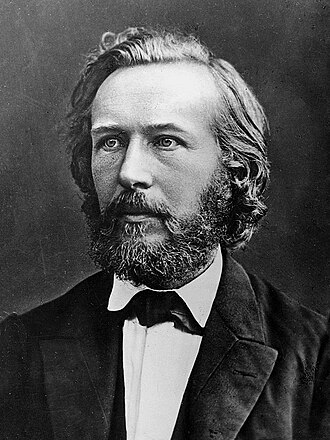
- Know which edition. Ernst Haeckel's Kunstformen der Natur plates came in ten parts from 1899 to 1904, and a 1914 edition reprinted 30 of them; ask which a single sheet came from.
Parrish and Nielsen are still in copyright, so no free image archive is linked for them. For the rest, the museums' open-access images are a better way to see the colour than most posters.