Photography - which print, printed by whom, and when
A photograph can be printed again as long as the negative survives, and most of these negatives did. So the first question about any photograph offered for sale is not whether the picture is real but who made the print and when: the photographer, a printer working from the photographer's negative later, or a reproduction of a reproduction.
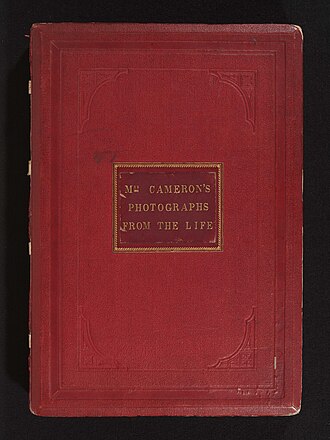
- Prints made by the photographer are rare and mostly in museums. Eugène Atget's own prints were small contact prints the size of the negative; Julia Margaret Cameron's are albumen prints whose warm tone and deliberate flaws a poster flattens.
- Later prints from the original negative are a real, honest tier. Berenice Abbott's 1956 portfolio of Atget, and the Yosemite Special Edition prints made from Ansel Adams's own negatives since his lifetime, are genuine photographs of the picture, not prints by the photographer. A good dealer says who printed a sheet and when.
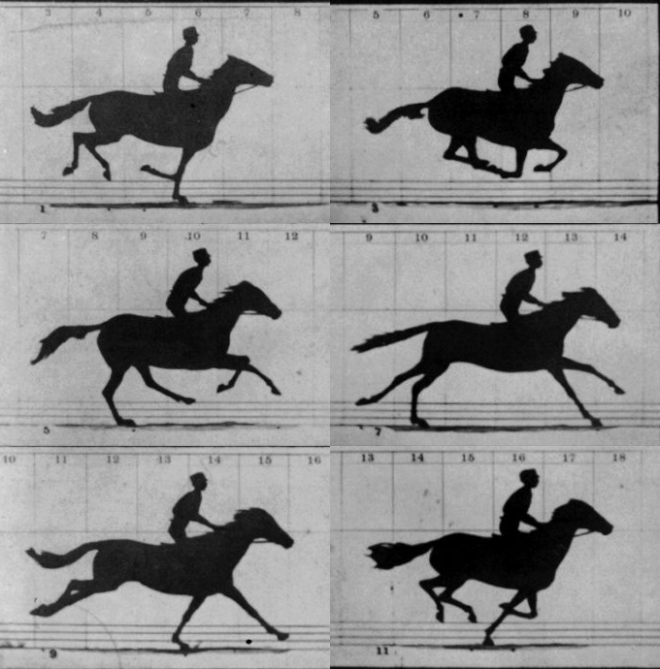
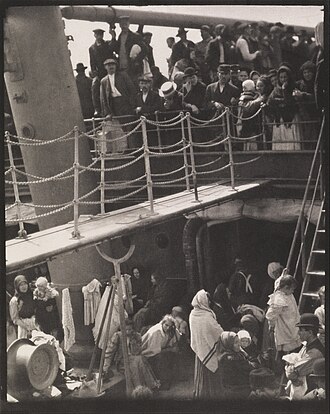
- Some originals were printed in ink. Alfred Stieglitz's Camera Work photogravures were tipped in by hand, and Eadweard Muybridge's Animal Locomotion plates of 1887 are large ink prints; a single plate is the realistic way to own either. Pages printed straight onto the paper, or book-sized copies, are later reprints.
- Government pictures belong to everyone. Dorothea Lange's Farm Security Administration photographs, Migrant Mother among them, have no known restrictions at the Library of Congress, so a reproduction from anyone is legitimate. Her other work is licensed.
- Beware the discovery. Sixty-five glass negatives bought at a Fresno garage sale were promoted as lost Ansel Adams; the Adams trust disputed it, and under a 2011 settlement they may not be sold under his name.