Posters - the street as a gallery
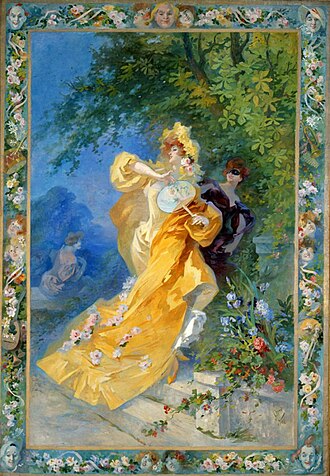
A poster has no painting behind it. Jules Chéret drew on the lithographic stone, the press printed from it, and the sheets went up on hoardings across Paris; the poster itself is the work. So a period poster is an original in the fullest sense, and so, for a collector with a smaller wall, is a reduced version the same presses printed at the time.
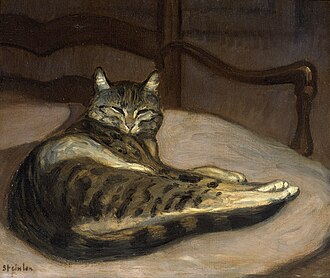
- Les Maitres de l'Affiche is the way in. From December 1895 to November 1900 the Chaix press, where Cheret was artistic director, mailed subscribers four reduced colour lithographs a month, 256 plates in all. Cheret, Eugène Grasset and Théophile Steinlen are all in it. A genuine plate is an 1890s lithograph with the series' blind stamp.
- Learn the market before buying a full-size sheet. The big posters go through the specialist poster auctions, and Swann's published results are the quickest education.
- Use a loupe. A stone lithograph shows solid colour; a modern reproduction shows a regular dot screen, and an old poster's oily inks usually show through on the back.
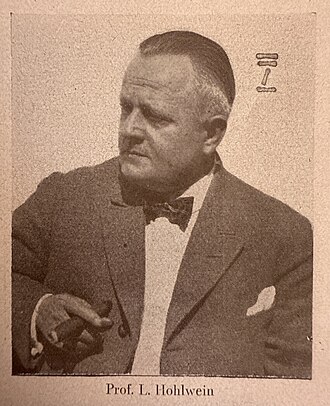
- Read the margins for dates. Cassandre's son licensed reprints from 1980, dated and marked as such: good wall posters, not period impressions. Ludwig Hohlwein drew advertising for decades and propaganda after 1933, and both circulate.
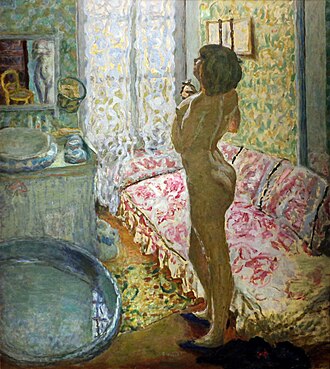
- Some prints were never posters. Pierre Bonnard's Paris lithographs for Vollard and Steinlen's small cat and street prints were made as prints from the start: ask for the catalogue number, as with any print.
Cassandre is still in copyright, so the honest cheap reproduction is one his estate licensed. The others are public domain, and the museum images are free to look at first.