Vienna 1900 - the Secession, the Werkstaette and the expressionists
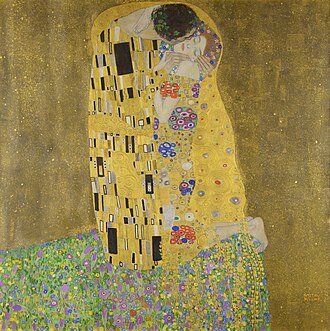
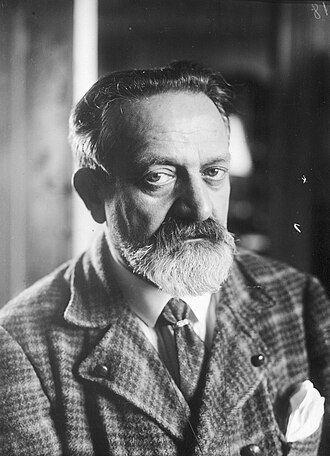
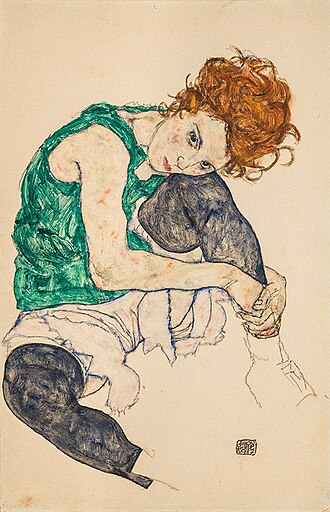
Around 1900 the artists of Vienna refused the line between fine art and everything else. Gustav Klimt led the Secession; Koloman Moser and Josef Hoffmann founded the Wiener Werkstaette to design furniture, silver, books and stamps; Emil Orlík brought Japanese woodcut technique home; Richard Gerstl, Egon Schiele and Oskar Kokoschka broke it all open again. The paintings are in Vienna's museums. What a collector can own is what the movement made to be used and printed.
- Design objects, period and licensed. Hoffmann's furniture was mass-produced in bentwood by Jacob & Josef Kohn, and his 1910 Kubus armchair is still made under licence by Wittmann: a new one sold as a reissue is honest, a "period" one wants proof.
- Printed things are the cheapest genuine Vienna 1900. The cheapest genuine Moser is a stamp, his 1906 Bosnian or 1908 Austrian Jubilee issue; his 1901 Die Quelle pattern plates are the serious original.
- Prints, by catalogue. Orlik's prints issued in Die Graphischen Kuenste and his 1904 Aus Japan portfolio; Schiele's seventeen prints, by which printing a sheet comes from; Kokoschka's lithographs by Wingler and Welz number, and the 1908 and 1917 issues of Die traeumenden Knaben are different things on the market.
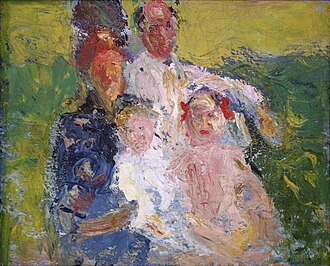
- The paintings are not realistic. Only about sixty works by Gerstl survive, and the important ones are in Vienna; the same is true of Klimt and Schiele's paintings. Buy prints from the museums that own them, the Belvedere first.
Kokoschka died in 1980 and is in copyright; the others are public domain.