Romantics and landscape - the sublime, on a wall you own
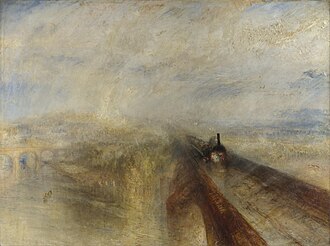
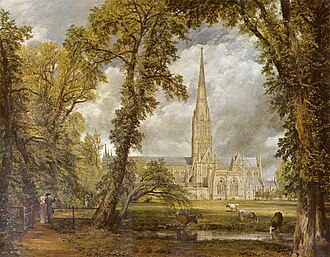
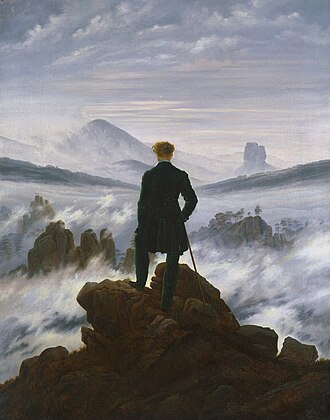
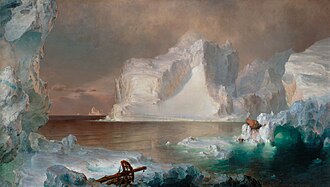
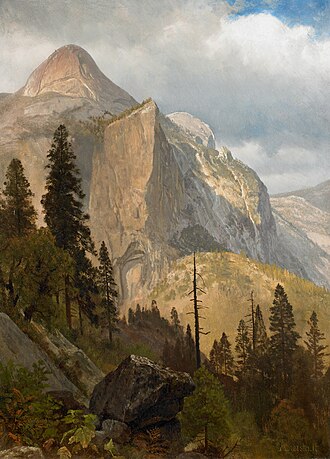
Landscape became the great subject in the decades around 1800. In England J. M. W. Turner and John Constable made weather the event; in Germany Caspar David Friedrich set small figures with their backs to us in front of moonlight and fog; in America Thomas Cole and the painters who followed him, Frederic Edwin Church and Albert Bierstadt, made the wilderness into epic. Nearly all of it is in museums, and nearly all of it is hard to reproduce: a late Turner is mostly colour and haze, and a cheap print loses exactly that.
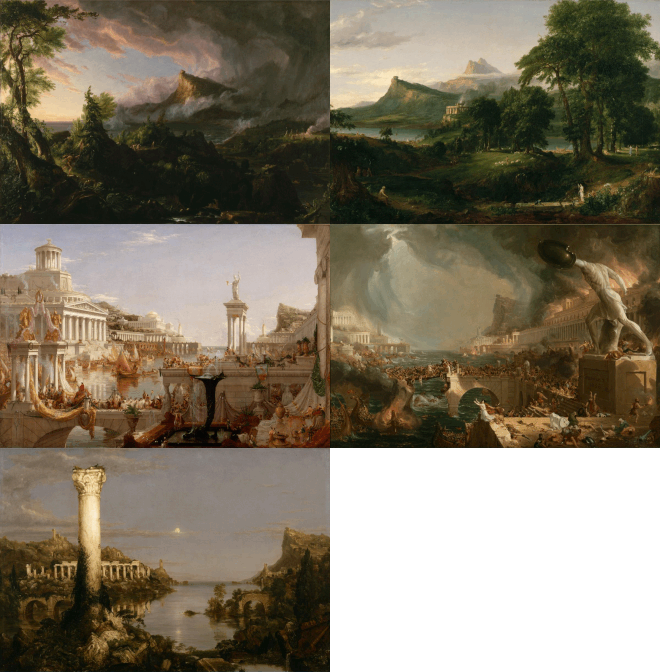
- Buy from the museum that owns the painting. The National Gallery in London prints The Fighting Temeraire and The Hay Wain to order; the National Gallery of Art in Washington does the same for Cole's Voyage of Life, Church's Niagara and Bierstadt's Last of the Buffalo; the Met for Friedrich's Two Men Contemplating the Moon. Each prints from its own photography.
- Where no museum sells one, look for a named source. Many of Friedrich's best-known pictures are in Hamburg, Berlin and Dresden; avoid anything cropped to fit a poster frame.
- The originals within reach are prints made at the time. Turner's Liber Studiorum and the steel engravings after his designs, and David Lucas's mezzotints after Constable, are genuine period prints, bought by catalogue number and state. Engravings after Cole's Voyage of Life are period reproductions, not his own work.
- A framed "Bierstadt oil" with no history may be a print. Louis Prang's 1868 chromolithograph of his Sunset was printed in raised, oil-based colours made to pass for paint. It wants an expert's eye before any money changes hands.