Dutch and Flemish Golden Age - the century that painted everything
In the seventeenth century the Low Countries painted everything: princes and burghers, taverns and still lifes, windmills and flowers. Most of these painters' work hangs in museums, and the greatest collection of them, the Rijksmuseum, gives its photographs away, which makes this the easiest collection on the site to live with honestly.
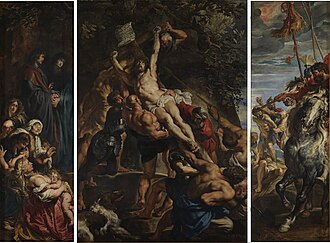
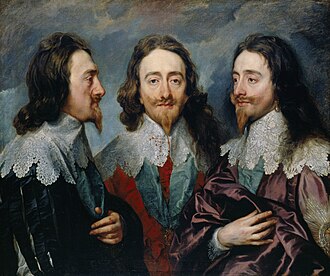
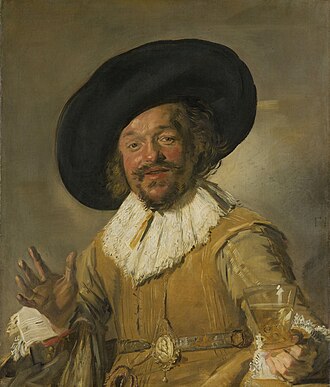
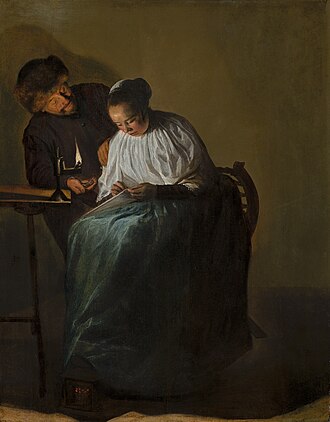
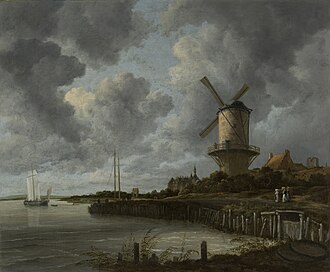
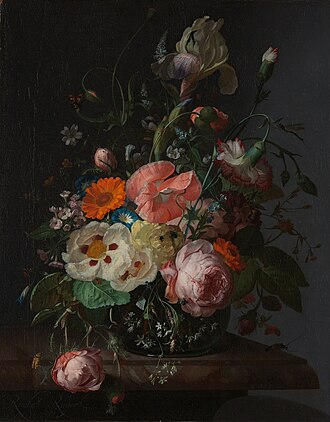
- Use the museums' own photographs. The Rijksmuseum publishes its public-domain pictures as free high-resolution downloads, among them Judith Leyster's Serenade and Jacob van Ruisdael's Windmill at Wijk bij Duurstede; any good print shop can print them. The National Gallery in London prints its Peter Paul Rubens, Anthony van Dyck, Frans Hals, Jan Steen, Ruisdael and Rachel Ruysch to order.
- The etchings are the originals within reach. Rembrandt van Rijn's exist in every price band; Adriaen van Ostade's were printed from his own plates for a century after his death, so the posthumous editions are the cheapest honest way in. Van Dyck's Iconography plates were printed for centuries too: early states he etched himself are the ones to look for, late impressions are what the market is full of. Ask for the catalogue state and edition.
- Prints after a painter are a period object, not his own hand. Rubens ran an engraving workshop to spread his designs: seventeenth-century engravings and woodcuts after him by Vorsterman, Pontius and Jegher are genuine prints, and they say so in their lettering.
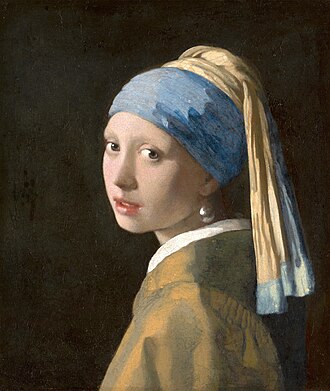
- For a painting, there is nothing to buy. Johannes Vermeer left about thirty-five pictures and none will be sold. Leyster's best pictures passed as Hals's for two centuries; a "Hals" is not always a Hals.