Modernists now in the public domain - what that does and does not mean for a buyer
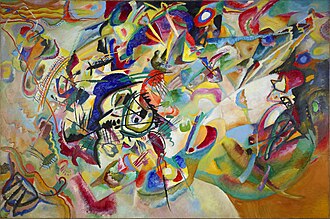
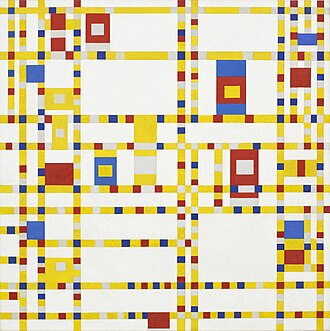
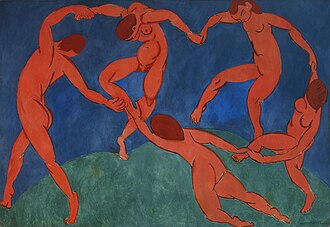
Every artist here died between 1918 and 1954, so in the countries where copyright lasts for the artist's life plus seventy years their work is now free to reproduce; Henri Matisse was the last to join, in 2025. For a buyer that changes one thing: anyone may now print a Mondrian or a Klee, so a reproduction is only as good as the photograph behind it. It changes nothing about originals, where these are some of the most imitated names in the market.
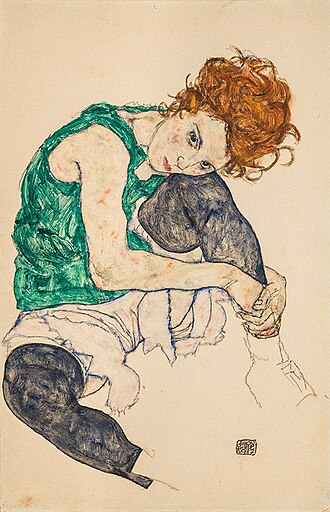
- Buy prints of a named work from a named collection. The market is full of redrawn "Mondrian-style" grids; a print that names the painting and the museum that holds it is a reproduction of Piet Mondrian, and one that does not is a reproduction of nobody. Several museums print their own: Tate for Matisse's The Snail, the National Museum in Oslo for Edvard Munch's Scream, the Belvedere for Egon Schiele.
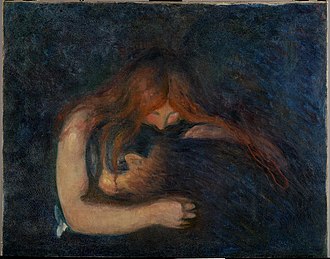
- Their own prints are the realistic originals, and each has its catalogue. Munch's lithographs and woodcuts go by Woll number, Wassily Kandinsky's Kleine Welten by Roethel number, Schiele's seventeen prints by which printing a sheet comes from (the 1922 portfolio or the editions of 1966, 1970 and 1990), Matisse's Jazz by the 1947 Teriade edition. A dealer who cannot give the number has not identified the sheet.
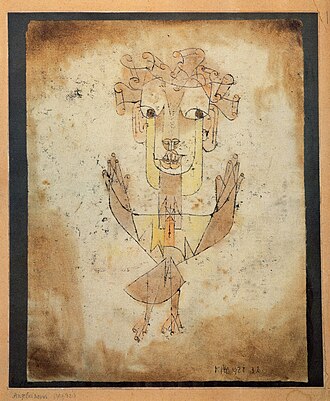
- Honest reproductions are a tier of their own. The 1964 Jacomet reproductions of Paul Klee, with the signature printed in the plate, are fine things sold as what they are, and a trap when sold as more.
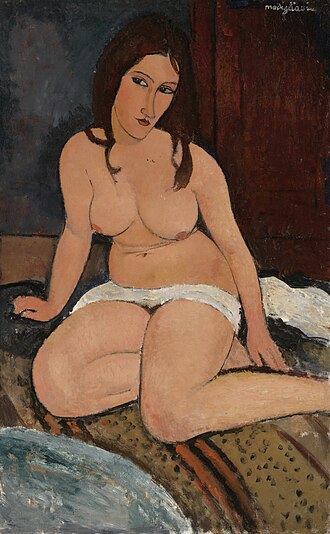
- Some names need more care than others. Amedeo Modigliani has four competing catalogues and a long history of fakes; a Modigliani without a documented provenance and a place in the catalogues should be treated as a fake until shown otherwise.