The great names - what you can actually own
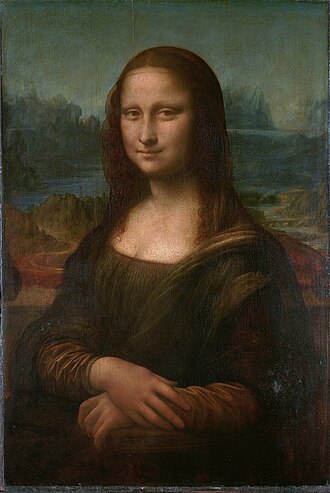
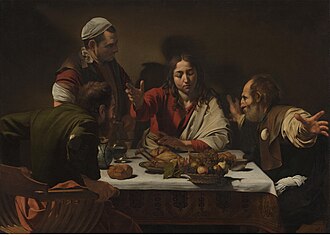
These are the names people type first, and they are the least buyable artists on this site. Their paintings are in churches and national museums, and a "Leonardo" or a "Caravaggio" in an ordinary sale is a copy or a follower's work, whatever the listing says. The question is not how to buy one but what is worth owning instead.
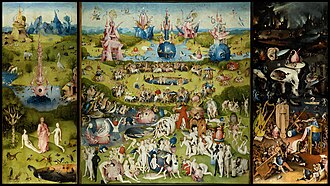
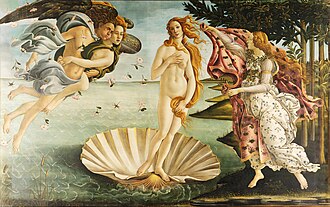
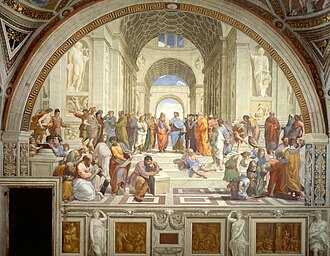
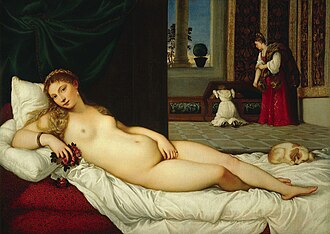
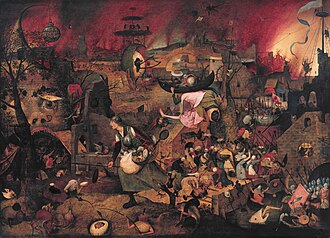
- A museum's own print beats a poster. Several museums print their paintings to order from their own photography. The National Gallery in London does so for its Leonardo da Vinci, Raphael, Caravaggio, Sandro Botticelli, Titian and Hieronymus Bosch; each entry names the picture.
- Reproduce a drawing, not a fresco. A Sistine ceiling poster flattens a vault into a rectangle. Michelangelo's drawings were made on paper, and a good reproduction of one loses far less.
- The book is the collection. Taschen's complete-works volumes cover most of these painters in a single book, and each entry names the one to buy and whether it is in print.
The two exceptions. Raphael designed for the engraver Marcantonio Raimondi, and Pieter Brueghel the Elder for Hieronymus Cock's publishing house in Antwerp. Engravings from those sixteenth-century workshops are genuine period prints of their designs, and they do come to market. They are also where the traps are: plates were reworked and reprinted long after, sometimes under another publisher's address, so buy by state and catalogue number from a dealer who states both.