Old-master prints - which printing is it?
A copper plate outlives the person who engraved it. William Hogarth's plates were printed by his widow, then by Boydell, then under James Heath's name, and by Henry Bohn into the 1840s. Giovanni Battista Piranesi's went from Rome to Paris and back to the papal Calcografia, which still has them. So for every artist here a genuine print is a realistic purchase, and the question that matters is not whether a sheet is real but when it was printed. The early impression from a fresh plate is the prize; the late one from a worn plate is real, honest and the cheapest way in, as long as nobody sells it as the first.
How to tell:
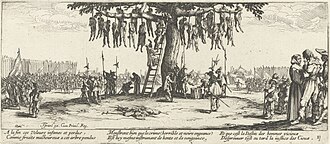
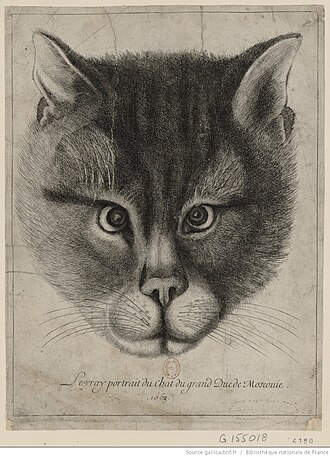
- Read the bottom margin. The publisher's line dates a printing: "Israel excud." on a Jacques Callot, the Stent or Overton address on a Wenceslaus Hollar.
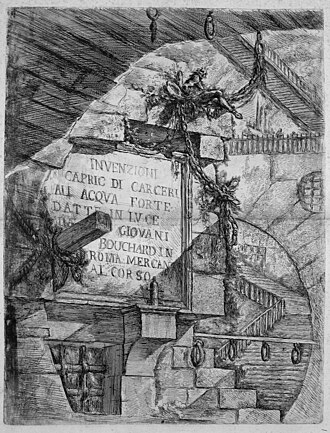
- Look at the paper. Piranesi's views were printed on laid paper until the Firmin-Didot edition of the 1830s, which used wove.
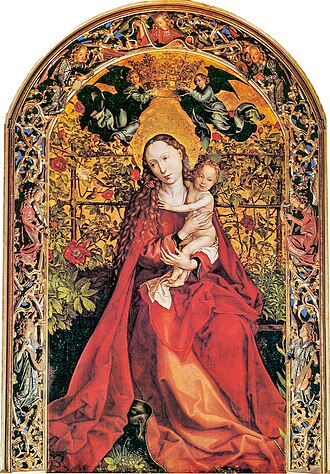
- Look for stamps. A blind stamp on a Piranesi means a Calcografia printing of 1870 or later. A red stamp on the back of a Martin Schongauer means an Amand-Durand facsimile, made photographically from about 1870: a fine wall print, not an engraving. The stamp can be hidden or removed, so its absence proves nothing.
- Ask for the catalogue number. Lehrs for Schongauer, Lieure for Callot, Pennington for Hollar, Delteil for Honoré Daumier, the Glasgow catalogue for James McNeill Whistler. A dealer who cannot give one has not identified the sheet.
Two artists here made prints meant to be thrown away, and they are the easiest way in. Daumier's lithographs came out in the newspaper Le Charivari, so a genuine sheet usually has text printed on the back. Gustave Doré's wood engravings were made for books, and a leaf from a nineteenth-century edition is the real thing, where a flat halftone copy is not.