Japanese woodblock prints - originals you can actually own
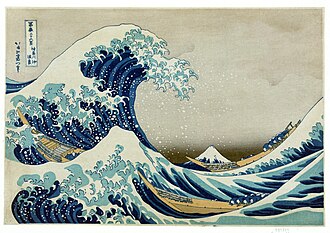
A woodblock print is a multiple. The artist drew the design, a carver cut the blocks, a printer pulled the impressions, and the publisher sold them by the hundred. That means an "original" Katsushika Hokusai or Utagawa Hiroshige is a real category, not a contradiction - and it means the market is layered in a way a beginner needs to understand before spending anything.
- Edo-period impressions of the famous designs: thousands to millions of dollars. Buy from a specialist dealer, never from a marketplace listing.
- Meiji and twentieth-century reprints from recut blocks: honest hand-printed woodblock prints at 50 to 300 dollars, as long as the seller calls them what they are.
- Less famous designs in early impressions: a few hundred dollars from dealers such as Fuji Arts and Scholten. This is the best way to own genuine ukiyo-e.
- Shin-hanga, the twentieth-century revival: Hiroshi Yoshida is the value pick, with lifetime "jizuri" impressions in the low thousands and posthumous family-studio prints in the hundreds.
Every design mentioned here is public domain and viewable at full resolution on the museum sites and on ukiyo-e.org, which aggregates a quarter of a million impressions from museums worldwide. Look before you buy.
Each name has its own question, and the guides go through them one by one:
- Suzuki Harunobu, the first great artist of the full-colour print: originals are rare and nearly always faded, so bright colour on thick paper points to a reproduction.
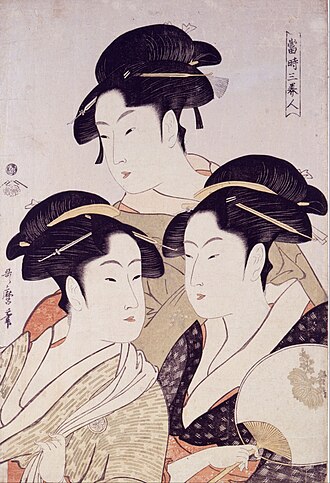
- Kitagawa Utamaro: Meiji-era copies are everywhere, and some old impressions were "rejuvenated" with fresh colour printed over them.
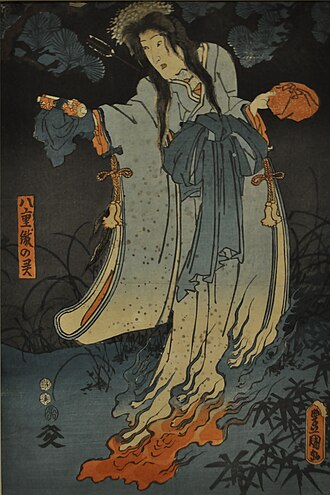
- Utagawa Kunisada is the easiest great name to own in the original, and the signature dates the sheet: Kunisada before 1844, Toyokuni after.
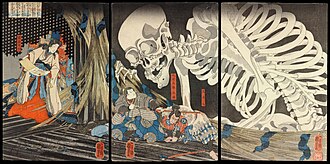
- Utagawa Kuniyoshi's warrior prints are the entry tier, but his most famous triptych was pirated from recut blocks in its own year.
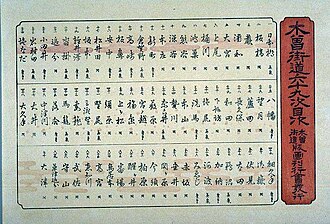
- Keisai Eisen is the underrated one, and his Kisokaido sheets sell for the most.
- Yoshitoshi's One Hundred Aspects of the Moon has dates in the margin that separate lifetime from later impressions.
- Hasui Kawase, shin-hanga like Yoshida: the publisher's seal tells a lifetime Watanabe impression from a posthumous one, which is the cheapest honest way in.